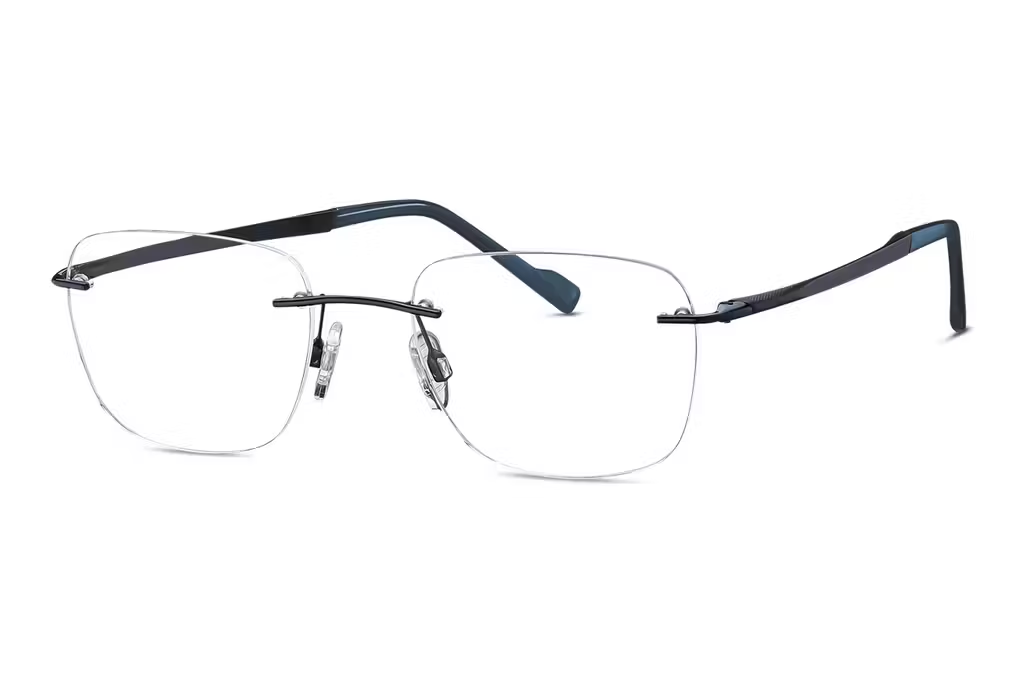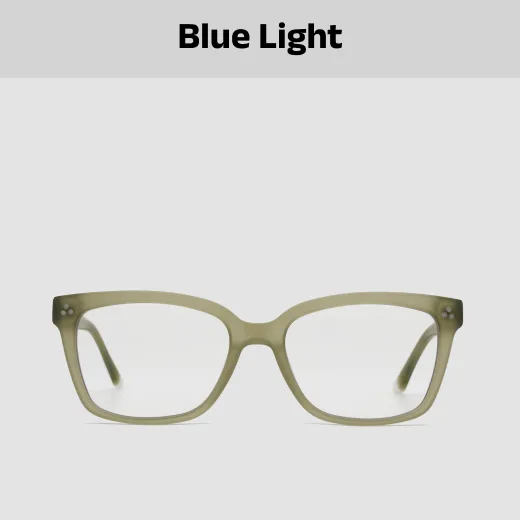
Quick answer: Blue light glasses (also called blue cut or blue light blocking glasses) can make screens feel more comfortable for some people, but research has not shown that they prevent digital eye strain or protect eye health. The 20-20-20 rule, blinking, good screen set-up, an up-to-date prescription and anti-reflective lenses help more.
Long days on laptops and phones leave many of us with dry, tired, aching eyes by the evening. Blue light glasses are often sold as the answer. So do they work? The honest answer: they can make screens feel more comfortable for some people, but they are not a cure for digital eye strain. Here is what the evidence says, and what actually helps.
What is blue light?
Blue light is part of normal visible light. The biggest source by far is the sun; screens, LED lights and phones give off much smaller amounts. Blue light helps regulate our body clock, which is why bright screens late at night can make it harder to fall asleep.
What really causes screen eye strain?
Digital eye strain (sometimes called computer vision syndrome) is mostly caused by how we use screens, not by the blue light itself:
- Blinking less. We blink far less when we concentrate on a screen, so the eyes dry out – especially in air-conditioned UAE offices.
- Focusing up close for hours. The eye’s focusing muscles work hard at near distances without a break.
- Glare and poor lighting. Reflections and a screen that is much brighter or darker than the room make the eyes work harder.
- An uncorrected or outdated prescription. Even a small amount of uncorrected long-sightedness or astigmatism can cause headaches at the computer.
- Posture and screen position. A screen that is too close or too high adds neck and eye strain.
What does the research say about blue light glasses?
Reviews of the research so far have found little good evidence that blue-light-filtering lenses reduce eye strain or protect eye health compared with ordinary clear lenses. Major eye-health organisations do not currently recommend them as a treatment for eye strain. There is also no evidence that the blue light from screens damages the eyes.
That said, many people report that tinted or filtering lenses make screens feel softer, and some find that cutting blue light in the evening helps them wind down. If you like how they feel, they are a reasonable choice – just don’t rely on them alone.
What actually helps tired eyes
- Follow the 20-20-20 rule. Every 20 minutes, look at something about 20 feet (6 metres) away for 20 seconds. This relaxes your focusing muscles.
- Blink on purpose. Do a few full, slow blinks during breaks. Lubricating eye drops can help if your eyes feel dry – ask a pharmacist or optometrist which suits you.
- Set up your screen. Keep it about an arm’s length away, with the top of the screen at or slightly below eye level.
- Match the brightness to the room and reduce reflections from windows and overhead lights.
- Use night mode on your phone and laptop in the evening, and put screens away an hour before bed.
- Get your eyes tested. If you get regular headaches at the computer, the right prescription often makes the biggest difference of all.
- Choose anti-reflective lenses. An anti-reflective coating reduces glare from screens and lights – and it comes as standard on our single-vision prescription lenses.
Who might choose blue light glasses?
- People who work long hours on screens and find filtered lenses more comfortable
- Gamers and students who use screens late in the evening
- Anyone who already needs glasses and wants to add a blue-light filter to their prescription lenses
You can buy them with or without a prescription. Browse our blue light glasses, or choose any frame from our glasses collection and add blue-light filtering at checkout. Not sure how to enter your prescription? Read how to read your eyeglass prescription.
What about children?
Children are using screens more than ever. Screen breaks, outdoor play and regular eye tests matter more than any lens filter. Our parent’s guide to kids’ glasses covers the signs a child may need glasses.
Blue light glasses, blue cut glasses and computer glasses: what’s the difference?
These names usually describe the same thing. Blue light glasses, blue cut glasses, blue light blocking glasses, “blue ray glasses” and blue light spectacles all have lenses with a filter or coating that reflects or absorbs part of the blue light from screens. Computer glasses can also mean lenses with a prescription set for screen distance, which helps people over 40 who struggle with focusing at arm’s length.
Don’t confuse blue light filters with UV protection. UV light comes from the sun, not your laptop. For outdoors you need UV400 sunglasses; for screens, clear lenses with an anti-reflective coating, with or without a blue light filter.
Shop blue light glasses in the UAE, with or without a prescription, delivered across the UAE and GCC.
Frequently asked questions
Do blue light glasses help with headaches?
There is little evidence they do. Screen headaches are more often caused by an uncorrected prescription, glare or not taking breaks. If headaches are frequent, see an eye-care professional.
Can I wear blue light glasses all day?
Yes, they are safe to wear all day. Some lenses have a slight yellow tint that may change how colours look, which matters if you do colour-sensitive design work.
Do blue light glasses help you sleep?
Cutting screen light in the evening may help some people wind down, but turning screens off before bed is more effective.
Is screen blue light harmful to my eyes?
Current evidence does not show that the blue light from screens damages the eyes. The sun is a far bigger source – which is why UV-protective sunglasses matter outdoors.
This article is general information and not medical advice. If you have ongoing eye discomfort, please see an optometrist or ophthalmologist.