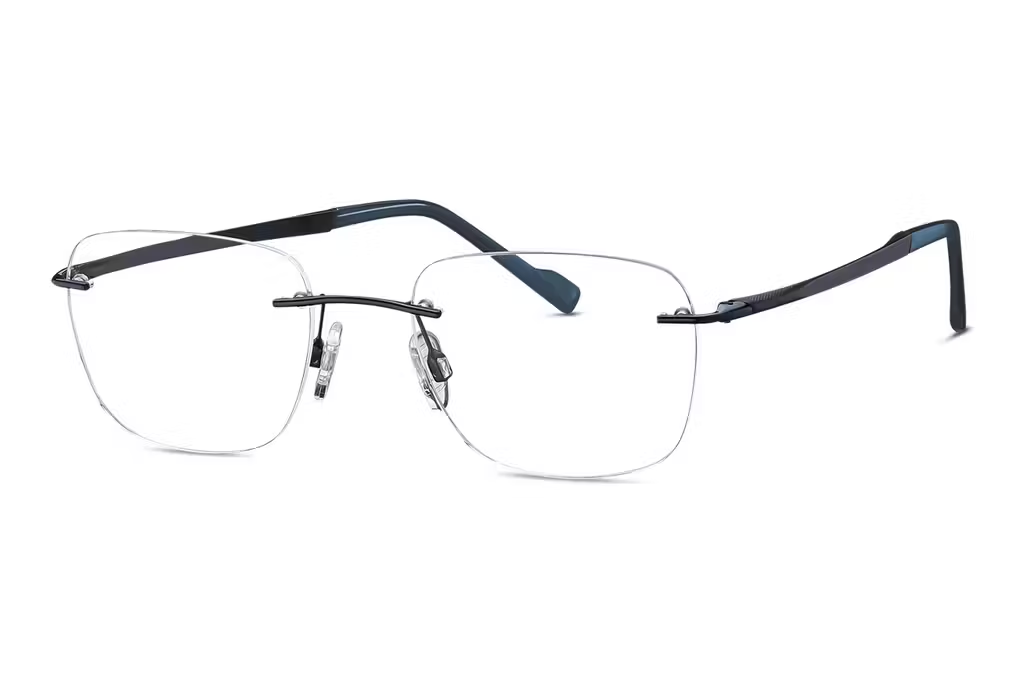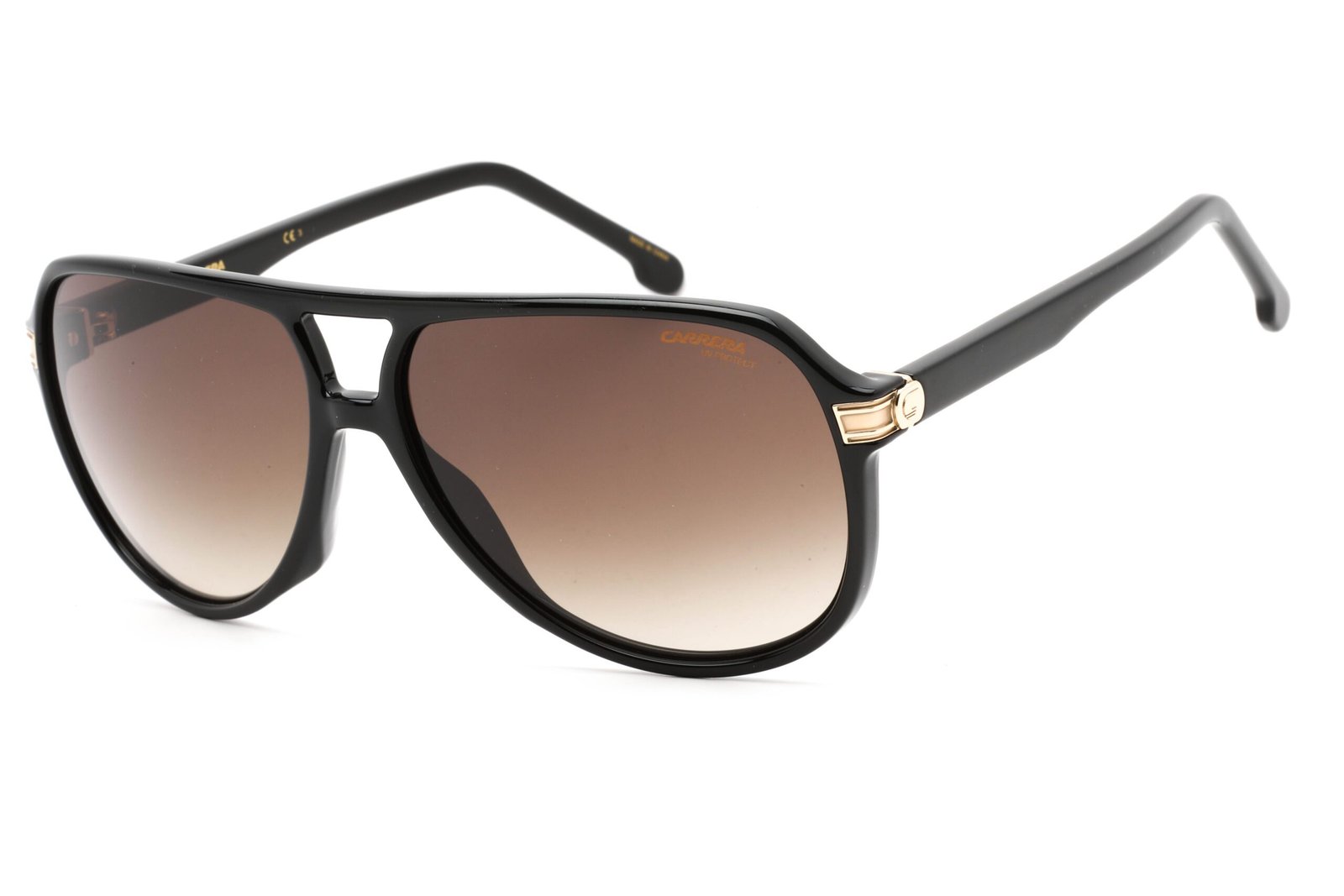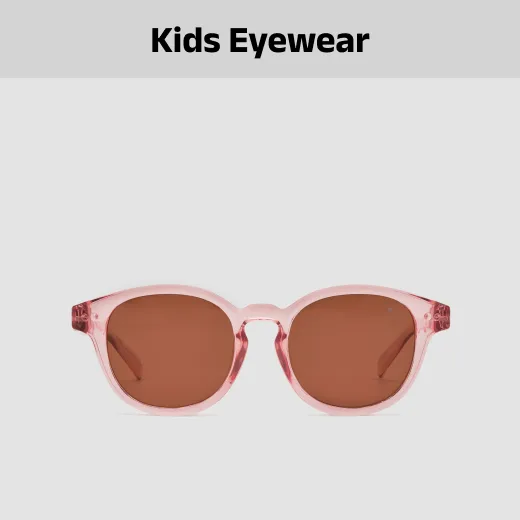
Quick answer: Choose kids’ glasses that fit the child’s face today, with flexible frames, spring hinges and impact-resistant polycarbonate lenses with a scratch-resistant coating. Book an eye test if your child squints, sits close to screens, tilts their head or rubs their eyes. Add UV400 kids’ sunglasses for outdoor play in the UAE sun.
Children rarely say “I can’t see properly” – they assume everyone sees the world the way they do. That is why many vision problems are first noticed by parents or teachers. This guide covers the signs your child may need glasses, how to choose kids’ glasses that are comfortable and tough, and simple ways to help them wear their new pair every day.
Signs your child may need glasses
Book an eye test if you notice any of these:
- Squinting or closing one eye to see the board, TV or a tablet
- Sitting very close to the screen or holding books near the face
- Tilting the head to one side to look at things
- Frequent eye rubbing, headaches or tired eyes after school
- Losing their place when reading, or avoiding reading altogether
- One eye that seems to turn in or out
- A sudden drop in schoolwork or concentration
Even without symptoms, a check before starting school is a good idea, as some problems – like one eye seeing much better than the other – are easy to miss and easier to treat when caught early.
Choosing the right frame
Size and fit
- The child’s eyes should sit near the centre of each lens.
- The frame should not be wider than the face, and the sides should not press on the temples.
- The bridge must sit flat on the nose without sliding down. Young children have low, small nose bridges, so frames designed specifically for kids – not shrunken adult frames – fit far better.
- Buy for the face your child has today, not one they will “grow into”. A frame that is too big slides down, and your child ends up looking over the lenses.
Material
- Flexible plastic and silicone frames bend instead of snapping – ideal for babies and toddlers.
- Lightweight acetate or TR90-style frames are comfortable for school-age children and come in fun colours.
- Metal frames suit older children who are gentler with their glasses, but look for spring hinges.
Features that make a difference
- Spring (flex) hinges survive being pulled off with one hand.
- Wrap-around or cable temples and adjustable straps keep glasses on during play – essential for toddlers.
- Soft nose pads stop red marks on the nose.
Our kids’ collection includes frames from Nano, Hangten, Disney and more, sized by age for babies, toddlers and juniors.
Choosing the right lenses
- Impact-resistant materials such as polycarbonate are lighter and much safer than standard plastic for active children.
- Scratch-resistant coating is a must – kids put glasses face-down on every surface.
- Anti-reflective coating reduces glare in class and makes eyes easier to see in photos.
- Blue-light filtering is optional. It may make screens feel more comfortable for some children, but screen breaks matter more – see our guide to whether blue light glasses work.
Don’t forget sunglasses
Children’s eyes let in more UV light than adults’ eyes, and the UAE sun is strong all year. A pair of kids’ sunglasses with full UV400 protection is as important as sunscreen at the beach, the park or on the school run. Choose wrap-around shapes and flexible frames, and avoid cheap toy sunglasses with no UV rating – dark lenses without UV protection can let in more harmful light, because the pupils open wider behind them.
Outdoor time and screen habits
Research has linked more time outdoors in daylight with a lower chance of children becoming short-sighted. Encourage outdoor play every day (with sunglasses and a hat), and use the 20-20-20 rule for screens: every 20 minutes, look at something about 20 feet (6 metres) away for 20 seconds.
How to get your child to wear their glasses
- Let them choose. Children who pick their own colour or character frame are far more likely to wear it.
- Start with fun moments. Introduce the glasses during a favourite show or activity so clear vision feels like a reward.
- Be consistent. Put them on at the same time every morning, like brushing teeth.
- Tell the school. Teachers can gently remind your child and seat them where they can see the board.
- Check the fit. If your child keeps taking the glasses off, they may be uncomfortable – loose, tight or pressing on the nose. A quick adjustment often solves it.
Caring for kids’ glasses
- Keep a hard case in the school bag and teach “case or face” – glasses are either being worn or in the case.
- Clean lenses with a microfibre cloth and lens spray, never with clothes or tissues.
- Keep a spare pair if your child has a strong prescription.
Where to buy kids’ eyeglasses in the UAE
Reyesoptic offers a wide range of kids’ eyeglasses and children’s glasses online in the UAE, from soft frames for babies and toddlers to youth glasses for teenagers. Brands include Nano, Hangten and Disney, all sized by age and ready for prescription lenses. Our kids’ sunglasses all carry UV protection. We are a Dubai-based optical store with our own kids’ optical shop, R Eye’s Kids, and we deliver across the UAE and GCC.
Frequently asked questions
At what age can a child wear glasses?
At any age, including babies. Frames for infants are made from soft, flexible materials with straps to keep them in place.
How often should children have an eye test?
Follow your eye-care professional’s advice. Children’s eyes change quickly, so many children with glasses are checked every year.
Will wearing glasses make my child’s eyes weaker?
No. Glasses help your child see clearly; they do not weaken the eyes. Any change in prescription is caused by the eye growing, not by the glasses.
Do you deliver kids’ glasses across the UAE?
Yes. We deliver from our Dubai store across the UAE and GCC, with a 15-day return and exchange.
This article is general guidance for parents and does not replace an eye examination by a qualified eye-care professional.